 There is no sure way to completely avoid hamstring injuries. However, the risks can be minimized by maintaining attention to the principles of muscle strength and flexibility. A person's flexibility should be maximized by a regular program of stretching and a warm-up and stretching before the intended athletics' activity.
Optimal resistance of hamstring is that which has at least half the strength of the quadriceps muscle (muscle in front of the thigh). Also, there should be a minimum balance of power between left and right (the hamstring injuries should be about 90% as strong as the hamstrings free). If necessary, a resistance training program should be established to achieve these goals optimally.

A well balanced diet and adequate intake of fluid is essential to avoid dehydration and electrolyte imbalance. Dehydration can cause muscle cramps, increasing the risk of muscle injury. Excess body weight increases the risk of lower limb muscle injury. Some experts have also advocated the use of nutritional supplements such as antioxidants. Unfortunately, despite all the efforts of prevention and treatment, hamstring injuries continue to be a common scourge of the high performance athletes and so-called "weekend warriors".

 Cristiano Ronaldo came out a quarter of an hour late Thursday night after scoring his third goal. The Portuguese felt pain in his left thigh and preferred not to take risks. "There are some important games to come. That's why I requested the change" - said the Portuguese. Touched the hamstrings, Ronaldo is expected to miss the trip to Santander on Sunday but will be restored to the coming of the Olympique Lyonnais to Real Madrid.
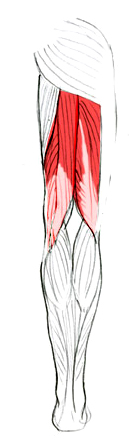 Hamstrings are tendons of the muscles of the back of the thigh. They bend the knee and hip.